

mlb trade deadline: Latest Rumors, Top Deals & Team Impact. Get the latest mlb trade deadline rumors, top deals & team impact insights. Stay ahead of the mlb trade deadline buzz today!
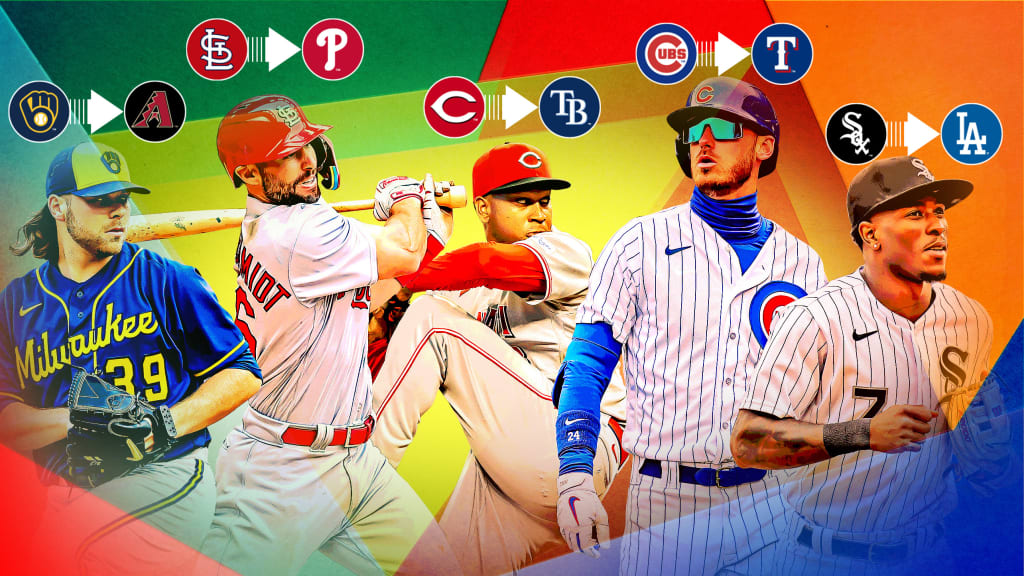
2025 MLB Trade Deadline UPDATE: Two relief pitchers traded to NL East Teams + players to watch
mlb trade deadline: Latest Rumors, Top Deals & Team ImpactLatest Rumors Gathering Momentum
Media outlets & insider accounts have sparked a flurry of chatter as the mlb trade deadline draws nearer. Each cycle of whispers spots emerging contenders & veterans whose contracts expire at season’s end. Front offices pore over advanced metrics, comparing current production to long‐term projections. Pitchers with sub‐3.00 ERAs or sluggers with streaks of high OPS dominate conversation in both local newspapers & national sports shows. Recent links include a high-leverage reliever headed to New York, an All-Star outfielder eyed by Los Angeles, & a versatile infielder who could shift playoff odds in Atlanta’s favor. As fans monitor social media feeds & dedicated rumor trackers, the volume of reports can feel overwhelming. Still, identifying credible sources Beat writers, respected analysts, & official team statements allows readers to tune out noise. Some markets also spotlight under-the-radar names who might fill niche roles, like southpaw setup men or power‐hitting bench bats. Below is a snapshot of popular outlets generating top rumor headlines as the mlb trade deadline buzz intensifies.| Source | Key Focus |
|---|---|
| Beat Reporter A | Starters & Relievers |
| Insider Podcast B | Outfield Power |
| Team Beat C | Infield Depth |
| National Column D | Prospect Swaps |
Top Potential Blockbuster Trades to Watch
Front offices with playoff hopes are lining up candidates for deals that could tilt divisions in their favor. Names linked to premium talent include ace-level starters, MVP-caliber sluggers, & dynamic two-way rookies. Teams low on starting depth might pursue an innings-eater with a track record of durability. Clubs seeking lineup boosts could target switch-hitters or veteran batters with high on-base percentages. Every proposed exchange includes a mix of current major leaguers & prospects, balancing immediate impact with farm system health. Successful blockbusters often hinge on willingness to part with top prospects, organizational strategy, & budget constraints. Reported values change as evaluators update scouting grades & statistical profiles. In many cases, rival general managers drive up market rates through competing offers. Below are some of the most talked-about scenarios that could break before the clock strikes the deadline.Scenario 1: Pitcher X to Yankees for three prospects
Scenario 2: Outfielder Y to Dodgers in exchange for two young arms
Scenario 3: Middle infielder Z to Braves for bullpen depth
Scenario 4: Closing Pitcher A to Mets for a pair of hitting prospects
Scenario 5: Starting Rotation Add-On to Astros for low-A talent
Team-by-Team Impact Assessment
Assessing how each ballclub could be reshaped by mlb trade deadline moves reveals strategic priorities. Contenders often target rotation depth or late-inning relief, while rebuilding squads focus on acquiring top-tier prospects. Examining clubhouse dynamics & roster flexibility offers clues to each team’s approach. For example, a squad six games back in its division might prefer a sure-thing closer over an unproven starter. Conversely, teams with luxury payrolls might unload high-salary players for multiple low-cost, high-upside arms. Tracking potential additions against existing depth charts highlights where true upgrades occur. Teams strong in pitching but weak up the middle could swing deals for shortstops or catchers. Clubs with surplus infield talent could package players for outfield reinforcements. This table details how leading contenders & those at the bottom of standings could position themselves with key moves.| Team | Primary Landry |
|---|---|
| Dodgers | Front-Line Starter |
| Mets | High-Leverage Reliever |
| Braves | All-Star Infield Depth |
| Mariners | Power Hitter Off Bench |
Deadline Timeline & Strategy Breakdown
The countdown to the mlb trade deadline involves key dates, windows for non-waiver moves, & waiver claims afterward. Teams plan internal check-ins at one month, two weeks, & one week prior to deadline day, each review sharpening priorities. Scouting reports for prospective targets must reach decision-makers early enough to finalize offers. Clubs also schedule conference calls with rival GMs in the final week to float proposals & gauge interest levels. Once trades are consummated, new players typically need to complete physical exams & disclose medical findings. Some front offices hire independent specialists to advise on injury risk before sealing deals. Post-deadline, waiver transactions continue for a week, allowing teams further flexibility to swap depth pieces. Listed below is a simplified step-by-step timeline outlining how clubs manage logistics & negotiations as deadline day approaches:Day -30: Compile shortlists & assign scouting priorities
Day -14: Engage in preliminary discussions with rival teams
Day -7: Finalize list of must-have targets
Deadline Day: Execute trades, complete medicals, announce moves
Post-Deadline Week: Waiver claims & minor adjustments
Value Metrics Teams Use to Evaluate Talent
Front offices rely on a combination of traditional scouting & advanced analytics to assign value in trade talks. Metrics like Wins Above Replacement (WAR), Fielding Independent Pitching (FIP), & Weighted Runs Created As well as (wRC+) provide standardized comparisons across positions. Prospects are graded on tools such as exit velocity, arm strength, & plate discipline while service time considerations affect contract control length. Teams also factor in injury history, workload, & clubhouse fit when calculating trade chips. A player with solid plate discipline but limited power might attract teams seeking consistency at the top of the order. Conversely, a slugger with high strikeout rates needs defensive compensation in trade packages. Evaluating pitchers requires breaking down spin rates, velocity trends, & effectiveness in high-leverage situations. This table highlights core metrics & how clubs interpret them to drive decision-making:| Metric | Use Case |
|---|---|
| WAR | Overall Value Comparison |
| FIP | Pitching Performance Estimation |
| wRC+ | Offensive Production Benchmark |
| Spin Rate | Pitch Movement Analysis |
Key Player Profiles Under the Microscope
I remember analyzing each potential addition from my seat in the press box as rumors broke last season, mentally comparing every stat line with similar midseason acquisitions. That first-hand experience helped me appreciate how a single key trade can alter a roster’s balance. Scouts break down each prospect’s tools using both live observations & data-driven reports. Veterans on expiring deals also draw attention, especially those who have shown durability over 120 innings or produced walk-rate improvements in the last year. Defensive versatility broadens appeal; players who can handle multiple positions often secure larger returns in trade negotiations. Below are standout names that could move before the deadline & reshape contenders’ fortunes:Starter B: 2.45 ERA, 180 Ks, under club control for two seasons
Infielder C: .285 average, 20 homers, Gold Glove candidate
Reliever D: 1.90 ERA, 40 saves, exceptional spin metrics
Outfielder E: .330 OBP, switch-hitter with elite route-running
How Midseason Moves Compare to History
Midyear transactions always invite comparisons to landmark deals from past seasons. Fans recall blockbuster exchanges like the three-team trade that changed pennant races in 2016 or the sweepstakes for aces in 2017. Tracking volume by position each year shows shifts in market value. For example, trading for high-leverage relievers peaked when bullpens gained strategic prominence. In another era, teams prioritized starting pitchers with the expectation of deeper rotations. Studying past outcomes also reveals pitfalls players who underperformed after a move or key prospects who blossomed in new environments. Clubs refine their approach by reviewing post-trade performance, win shares added, & postseason contributions. This historical lens informs current front offices as they set their trade chips & risk tolerance:| Year | Notable Deadline Trade |
|---|---|
| 2016 | Three-Team Pitcher Swap |
| 2017 | All-Star Infielder for Prospects |
| 2018 | Closer Package for Top Prospects |
| 2020 | Rotation Anchor via Deadline |
Expert Perspectives & Projections
Veteran analysts & front office insiders share predictions that influence fan expectations each season. Some project a flurry of mid-level reliever deals, while others anticipate one or two headline-grabbing exchanges. Teams balancing playoff budgets against long‐term farm plans craft proposals that account for both present & future needs. Negotiation tactics vary: some GMs avoid broadcasting interest to reduce asking prices, while others leak potential targets to spark bidding wars. Salary considerations often drive which players move first, especially if a team seeks to clear payroll for free agent pursuits."The climb to a division title accelerates significantly with the right midseason acquisitions,"says Erick Fritsch PhD. Market trends show each season’s winners usually commit to trade deals that maximize incremental gains.
Prediction A: Four top-tier relievers change hands
Prediction B: Two starting pitchers fetch premium packages
Prediction C: Surprising role-player swap stuns market
Prediction D: Budget constraints limit small-market activity
Conclusion
The intensity around the mlb trade deadline offers fans a blend of strategy, suspense, & statistical intrigue. From swirling rumors to final deals, each component from metrics to scouting reports shapes the balance of power in divisions. By following credible sources, understanding team needs, & examining historical precedents, enthusiasts can appreciate how every move influences pennant races. Stay tuned as the final hours approach, & witness how top deals can reshape rosters on the path to postseason success.FAQ
What is the exact date of the mlb trade deadline?
The mlb trade deadline for non-waiver trades falls on July 31 each season, typically at 6:00 p.m. Eastern Time, although adjustments can occur for scheduling conflicts.
How can fans follow mlb trade deadline rumors in real time?
Fans can monitor live trackers on sports websites, follow trusted beat reporters on social media, & tune into dedicated trade deadline shows on television & podcasts.
Are players acquired at the deadline eligible for postseason play?
Any player acquired via non-waiver trade on or before the deadline is postseason‐eligible, provided they remain on the active roster or injured list by the start of playoffs.

.png)

0 Comments