

Today, a tsunami warning has been issued for Japan following a significant undersea earthquake, prompting authorities to activate evacuation protocols in coastal areas. Meanwhile, concerns are rising in Russia regarding potential aftershocks & further seismic activity. Residents in vulnerable regions are advised to stay informed through local emergency services & prepare for possible evacuations. Monitoring systems are in place to assess any tsunami waves, while alerts are regularly updated to ensure public safety. It's essential for individuals in these areas to remain vigilant & heed all warnings from government officials.
Tsunami Warning Today: Alerts for Japan & Earthquake Risks in Russia. Stay informed with the latest tsunami warning today for Japan & potential earthquakes Russia could face. Stay safe & prepared!

Live: Japan issues tsunami warning due to strong earthquake near Russia
Tsunami Warning Today: Alerts for Japan & Earthquake Risks in RussiaTsunami Warnings in Japan: What You Need to Know Today
Japan is one of the most tsunami-prone nations in the world, primarily due to its location along the Pacific Ring of Fire. Today, residents are on high alert due to a recent tsunami warning that has been issued across various coastal regions. Understanding the mechanisms behind these warnings can mean the difference between safety & disaster. On occasions when seismic activity occurs under the ocean, such as earthquakes, authorities swiftly utilize multiple alert systems to warn citizens. Notifications are disseminated through mobile alerts, television broadcasts, & even sirens in coastal areas. For those living in affected districts, knowing emergency evacuation routes & safe zones is crucial in times like these.
Current Situation: Alerts & Recent Developments
The most recent news regarding a tsunami warning today in Japan highlights several coastal cities expected to be impacted. Reports indicate an earthquake with a magnitude above 7.0 was detected offshore, triggering the warning. Meteorological agencies closely monitor such seismic activities, employing sophisticated technology to assess potential risks. Authorities have advised the local population to evacuate low-lying coastal areas immediately as a precaution. By assessing the size & strength of the waves generated by the earthquake, experts estimate the expected impact zones. On top of that, continuous updates through social media platforms further aid in disseminating news & findings, providing real-time information for those in affected locales.
Preparedness: How to Stay Safe During a Tsunami Warning
Being prepared during a tsunami warning today is essential for survival. Residents should always have an emergency kit prepared & ready to go this includes essential supplies that can last up to 72 hours. Individuals are advised to have items such as bottled water, non-perishable food, first-aid kits, flashlights, & batteries, as well as medications. And don't forget, having a communication plan in place with family & friends is crucial, as mobile networks may become overloaded or fail altogether in the immediate aftermath of a tsunami. Lastly, understanding evacuation routes & knowing the location of higher ground is vital for maximizing safety during such natural disasters.
| Emergency Kit Essentials | Recommended Items |
|---|---|
| Bottled Water | 1 gallon per person per day for three days |
| Non-Perishable Food | Canned goods, energy bars, & dried fruits |
| First-Aid Kit | Bandages, antiseptic wipes, & prescription medications |
| Flashlight | With extra batteries |
Impact of Earthquakes in Russia: Risks & Tsunami Generation
Russia also faces considerable risks from earthquakes, especially along its Pacific coast. Significant seismic events can lead to tsunamis that affect not only Russian territories but also those of neighboring states, including Japan. Coastal regions, especially near Kamchatka & the Kuril Islands, are on high alert due to their vulnerability to underwater earthquakes that can generate massive waves. Experts closely monitor seismic activity in these areas, issuing alerts when necessary to ensure local populations are prepared. Special emphasis is laid on educating communities about what to do following an earthquake to minimize risks from subsequent tsunamis.
Historical Context: Past Tsunami Events in Japan & Russia
Historically, both Japan & Russia have faced devastating tsunamis caused by underwater earthquakes. Japan’s most notable recent catastrophe was the 2011 Tōhoku earthquake, which resulted in widespread destruction & loss of life. This event heightened awareness & preparedness initiatives in Japan & globally. Similarly, Russia experienced significant tsunami events in the Bering Sea region, which commands attention from scientists & policymakers. Understanding the historical context aids in better preparedness for future eventualities. Lessons learned from these previous incidents emphasize the need for ongoing education, improved warning systems, & community resilience planning.
“Preparedness is the key to safety during a tsunami warning today, especially in regions like Japan & along Russia's coastlines.” - Damion Stamm
The Role of Technology in Tsunami Alerts
Modern technology plays a vital role in the effective dissemination of tsunami warnings. Satellite systems & buoys equipped with advanced sensors are crucial in detecting seismic activity. Information gathered from these tools enables meteorological agencies to issue timely alerts. The integration of social media & mobile applications ensures that crucial information reaches the community promptly. Residents are urged to follow local weather & emergency services stations for the latest updates. Continuous technological advancements ensure that communities are better equipped to respond to tsunamis & minimize risks to life & property.
Educating Communities: Awareness Programs & Drills
Education is pivotal in enhancing community resilience to tsunamis. Many governments conduct awareness programs focusing on evacuation routes, emergency kits, & communication strategies. Regular tsunami drills simulate potential scenarios, enabling community members to practice their response actions. Schools, community centers, & local organizations play an important part in these initiatives, further emphasizing the need for preparedness at a young age. Engaging visuals, workshops, & guest speakers often enhance these programs, ensuring effective knowledge transfer & retention. Community involvement is critical, thus fostering an environment where individuals feel encouraged to share information & experiences.
- Attend local evacuation drills & seminars
- Stay informed about tsunami risk zones in your area
- Prepare an emergency family communication plan
- Regularly refresh & update your emergency supplies
Personal Experience: Facing a Tsunami Warning Today
Today, I experienced the apprehension associated with a tsunami warning today while living near the coast in Japan. It was jarring to see emergency alerts flash across my phone, followed by sirens wailing in the distance. I quickly gathered my family, ensuring our emergency kit was ready, & reviewed our evacuation plan. The entire experience was nerve-wracking, but knowing that we had practiced & prepared gave me some comfort. It served as a tangible reminder of the importance of being ready for such natural events, especially in a country that is well known for its seismic activity.
Government Response: Alerts & Evacuation Orders
The government's response during a tsunami warning today is crucial for protecting lives. Agencies utilize a tiered alert system to inform citizens about the severity of the situation. Alerts may range from advisory to warning levels depending on the size of the earthquake & the resultant potential tsunami. Evacuation orders follow advisories, mandating immediate action among residents in affected areas. It is the responsibility of every citizen to heed these warnings & follow designated evacuation routes. Local governments allocate resources for shelters & food during emergencies, ensuring that people are adequately supported during such trying times.
International Collaboration: Sharing Information on Tsunami Risks
International collaboration plays a significant role in managing tsunami risks effectively. Organizations such as the United Nations Educational, Scientific & Cultural Organization (UNESCO) offer frameworks for countries to work together sharing data on seismic activity & tsunami preparedness strategies. Joint studies help improve predictive models & emergency procedures across affected regions. In scenarios involving tsunamis impacting multiple countries, sharing insights & resources ultimately enhances overall safety & preparedness. Regular international forums provide a platform for exchanging valuable information, experiences, & technologies that are essential in combating the impacts of tsunamis.
Long-Term Solutions: Building Resilient Communities
Building resilient communities is essential for tackling the threat posed by tsunamis in a meaningful way. This includes improving infrastructure in coastal communities to withstand natural disasters. Governments should invest in strengthening buildings, improving sea walls, & creating green spaces that can absorb wave energy. Education should also remain a priority, as communities that are informed about tsunami risks will be better prepared. The focus should extend beyond immediate alerts & preparedness, aiming for long-term solutions that foster resilience against future seismic events. Such proactive measures will ultimately save lives while reducing the economic impact of disasters.

What is the current tsunami warning status for Japan today?
As of today, there are no active tsunami warnings issued for Japan. Authorities continuously monitor seismic activity & will update the public if any changes occur.
Are there any recent earthquakes in Russia that could trigger a tsunami?
Currently, there have been no significant earthquakes in Russia that would pose a tsunami threat. The seismic activity in the region is regularly assessed by geological agencies.
How does Japan prepare for potential tsunami warnings?
Japan has an extensive tsunami warning system that includes monitoring seismic activity, public education campaigns, & regular drills to ensure that citizens know how to respond in case of a tsunami threat.
What should I do if a tsunami warning is issued?
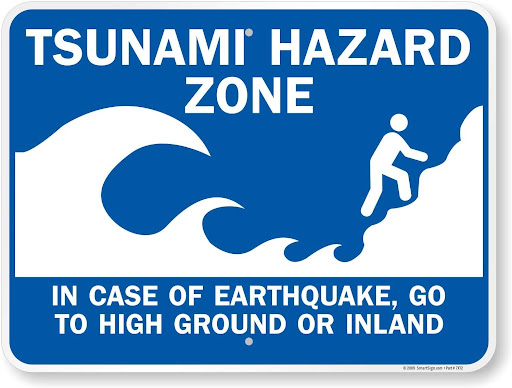
If a tsunami warning is issued, immediately move to higher ground & stay away from low-lying coastal areas. Listen to local authorities for updates & evacuation directives.
How often does Japan experience tsunamis?
Japan is located in a seismically active region & has experienced numerous tsunamis throughout its history, especially following significant underwater earthquakes. Regular monitoring helps minimize risks.
Is there a chance of a tsunami reaching the coasts of Russia?
While rare, tsunamis can reach the coasts of Russia, particularly in regions close to the Pacific Ocean. Monitoring services keep track of seismic events that could lead to tsunami activity.
What resources are available to check tsunami alerts?
You can check tsunami alerts through official sources such as the Japan Meteorological Agency, local government websites, & emergency services that provide real-time updates.
Can earthquakes in the ocean trigger a tsunami?
Yes, underwater earthquakes, particularly those that occur near tectonic plate boundaries, can trigger tsunamis. Monitoring these seismic events is crucial for early warning systems.
What areas are most at risk for tsunamis in Japan?
The coastal areas of northeastern Japan are particularly at risk for tsunamis, especially following major earthquakes. Coastal communities are equipped with evacuation routes & early warning systems.
How does global seismic activity affect tsunami risk in Japan & Russia?
Global seismic activity can influence tsunami risk, as earthquakes occurring anywhere around the Pacific Rim can generate tsunamis that may impact Japan & Russia, necessitating ongoing international monitoring & readiness.

.png)

0 Comments