

lyme disease symptoms: signs, treatments & Justin Timberlake story. Justin Timberlake’s justin timberlake lyme disease story, spot lyme disease symptoms & treat lyme disease.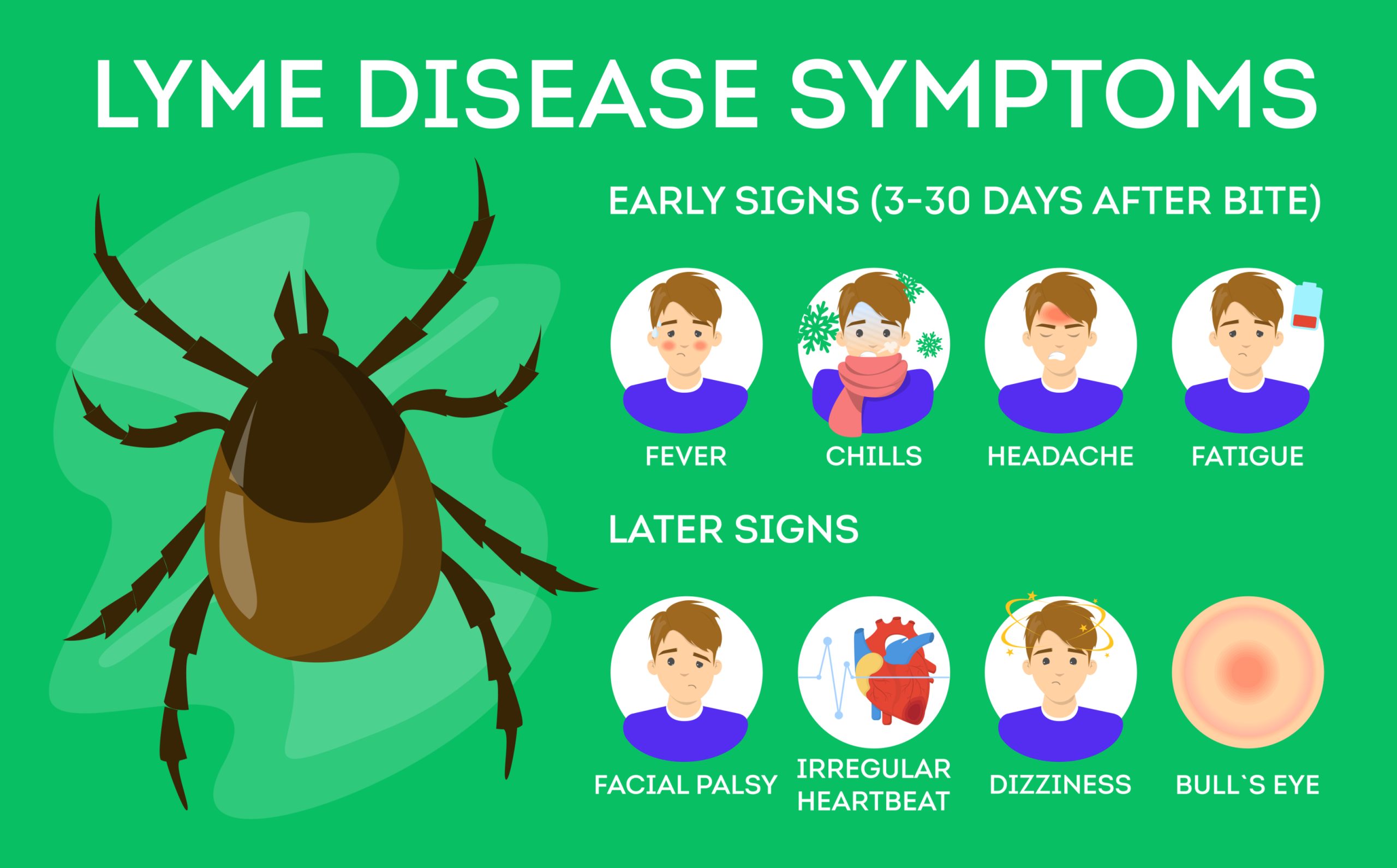
Symptoms of Lyme Disease
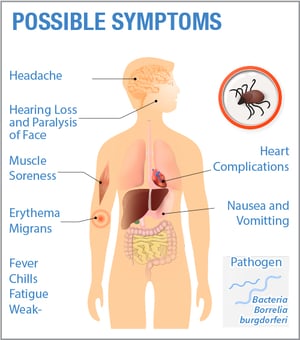
Recognizing lyme disease early is crucial for quick intervention & better outcomes. Many people notice a range of signs that often include skin, joint, neurological, & cardiovascular symptoms. A classic early warning sign is the “bull’s-eye” rash, which can expand over days & feel warm to the touch. Be that as it may, not everyone develops this rash, & that’s why awareness of other indicators is vital. Flu-like signs such as fever, chills, fatigue, headache, & muscle aches can mimic common viral infections. If these persist & you’ve spent time in areas known for ticks, talk to your healthcare provider immediately. Left untreated, lyme disease symptoms can progress into more serious issues like arthritis, facial palsy, heart palpitations, or cognitive difficulties.
| Symptom Category | Typical Signs |
|---|---|
| Skin | Expanding rash, swollen lymph nodes |
| Musculoskeletal | Joint pain, stiffness, swelling |
| Neurological | Headache, memory loss, numbness |
| Cardiovascular | Heart block, irregular heartbeat |
Diagnosis & Testing Methods
Identifying lymes disease accurately often requires a combination of clinical evaluation & laboratory testing. Early diagnosis relies heavily on symptom recognition & patient history, especially exposure to wooded or grassy areas. Testing methods vary in sensitivity depending on the stage of infection. Two-tiered serologic testing is common: an initial enzyme immunoassay (EIA) or immunofluorescence assay (IFA) followed by a Western blot to confirm. False negatives can occur if tests happen too soon after infection. In cases where neurological involvement is suspected, a spinal fluid test may be ordered. Always share detailed information about tick bites, travel history, & any prior treatments with your doctor. Prompt testing & clear communication ensure that lyme.disease is managed effectively.
ELISA Test
Detects antibodies; best used several weeks after suspected infection for reliable results.Western Blot
Confirms positive ELISA; checks for specific proteins that indicate lyme disease.C6 Peptide Antibody
Measures reaction to a conserved peptide; useful in early stages of infection.Cerebrospinal Fluid Analysis
Used when neurological complaints arise; checks antibody levels in spinal fluid.
Treatment Options & Recovery
Treatment for lime disease typically involves antibiotics, with oral options preferred for early-stage infections. Doxycycline is often prescribed for adults & children over eight, while amoxicillin or cefuroxime axetil serve as alternatives for younger children or pregnant individuals. The standard course lasts 14 to 21 days, depending on symptom severity. In rare cases involving neurological or cardiac complications, intravenous antibiotics like ceftriaxone may be necessary, often administered in a hospital setting. Follow each prescription with care: complete the entire regimen, even if you feel better earlier. Physical therapy can help manage lingering joint pain. Regular follow-up appointments allow your provider to track progress & address any lingering symptoms. Taking prompt & consistent action improves the chances of a full recovery.
"Prompt recognition & appropriate antibiotic therapy are key to preventing long-term complications associated with lyme disease symptoms: signs, treatments & Justin Timberlake story." – Dr. Emery Willms
| Stage | Recommended Treatment |
|---|---|
| Early Localized | Oral doxycycline, 100 mg twice daily |
| Early Disseminated | Oral amoxicillin, 500 mg three times daily |
| Late Stage | IV ceftriaxone, 2 g once daily |
| Post-Treatment | Physical therapy, symptom management |
Prevention Strategies in Outdoor Settings
Preventing lyme.disease starts with awareness of tick habitats & consistent protective measures. When visiting wooded or brushy areas, wear long-sleeved shirts & long pants, ideally treated with permethrin. Light-colored clothing makes ticks easier to spot. Apply EPA-registered insect repellents containing DEET or picaridin on skin & clothing. After outdoor activities, perform a full-body tick check, paying close attention to hairlines, groin, & underarms. Showering within two hours of returning indoors can dislodge unattached ticks. If you find an attached tick, remove it promptly with fine-tipped tweezers, grasping close to the skin & pulling steadily without twisting. Clean the area with soap & water & monitor for rash or fever over the next month.
Proper Clothing
Cover arms & legs; tuck pants into socks for added protection.Tick Checks
Inspect skin thoroughly; use a mirror for hard-to-see spots.Repellents
Apply according to label instructions; reapply after sweating or swimming.Landscaping Tips
Keep lawns mowed & remove leaf litter to reduce tick populations.
Justin Timberlake’s Lyme Disease Story
In 2015, pop icon justin timberlake publicly shared his battle with justin timberlake lyme disease, raising awareness for a condition often overshadowed by other health headlines. During a world tour, Timberlake noticed persistent fatigue, joint pain, & flu-like symptoms that he initially attributed to exhaustion. Only after a positive test did he receive a proper diagnosis & start treatment. His openness encouraged fans & fellow artists to pay attention to possible limes disease symptoms, emphasizing that anyone spending time outdoors can be affected. Despite a demanding schedule, he prioritized rest & followed his doctor’s advice, completing a full antibiotic course & gradually regaining his strength. His experience highlights the importance of early detection & the role public figures play in health education.
Symptom Recognition
Timberlake’s flu-like signs underscored that early symptoms can be subtle.Public Disclosure
Sharing his story boosted conversations about tick-borne illnesses.Travel Impact
Touring exposed him to multiple environments where ticks thrive.Recovery Path
Rest, follow-up tests, & supportive care were crucial for his return to performance.
My Personal Experience
I first noticed my own lyme disease symptoms after a summer camping trip created itchy welts & intense fatigue. Over the next days, a familiar flu-like pattern emerged, & I worried it was something more serious. A timely visit to my doctor led to blood tests & a weeks-long course of antibiotics. I felt relief after the first dose, though joint aches hung on. Embracing gentle yoga & warm compresses helped me regain mobility & energy. That journey taught me the importance of early action & consistent self-advocacy. It also reminded me that even high-profile stories like justin timberlake lyme disease often mirror real-life struggles faced by everyday individuals.
| Lesson Learned | Action Taken |
|---|---|
| Persistent Check-Ups | Scheduled follow-up visits every two weeks |
| Support Network | Joined a local support group for shared tips |
FAQ
What are the first signs of lyme disease?
Early indicators often include a circular rash, flu-like symptoms such as fever, headache, & fatigue, As well as muscle aches. Not everyone develops the rash, so monitor any persistent flu signs after outdoor activities.
How soon should I get tested for lyme disease symptoms?
Testing is most accurate two to six weeks after infection. If you suspect a tick bite & develop signs, consult a doctor right away & discuss the best timing for serologic tests.
Can lyme disease be cured if treated late?
Even when diagnosis occurs later, antibiotics can still clear infection. Additional supportive therapies like physical therapy may be needed to address ongoing joint or nerve symptoms.
Conclusion
Awareness of lyme disease symptoms & early intervention are essential for swift recovery. Accurate testing, targeted antibiotic treatments, & practical preventive measures reduce risks. High-profile accounts like justin timberlake sharing his personal struggle underscore that tick-borne illnesses affect many, regardless of status. By recognizing signs early, seeking timely care, & following prevention guidelines, you can minimize complications & support long-term wellness.

.png)

0 Comments