

A tsunami watch has been issued for Hawaii following a significant earthquake off the coast of Russia, measuring around 7.6 in magnitude. While no immediate threat has been confirmed, residents should stay informed via updates from local authorities & the National Tsunami Warning Center. It's crucial to have an emergency plan in place & to be prepared to evacuate to higher ground if necessary. Monitor official channels for the latest information & remain calm as officials assess the situation & potential impacts on the islands.
Tsunami watch issued for Hawaii after earthquake off Russia: What to know. Stay informed about the Tsunami watch issued for Hawaii after earthquake off Russia. Learn what to do & how to stay safe during this alert.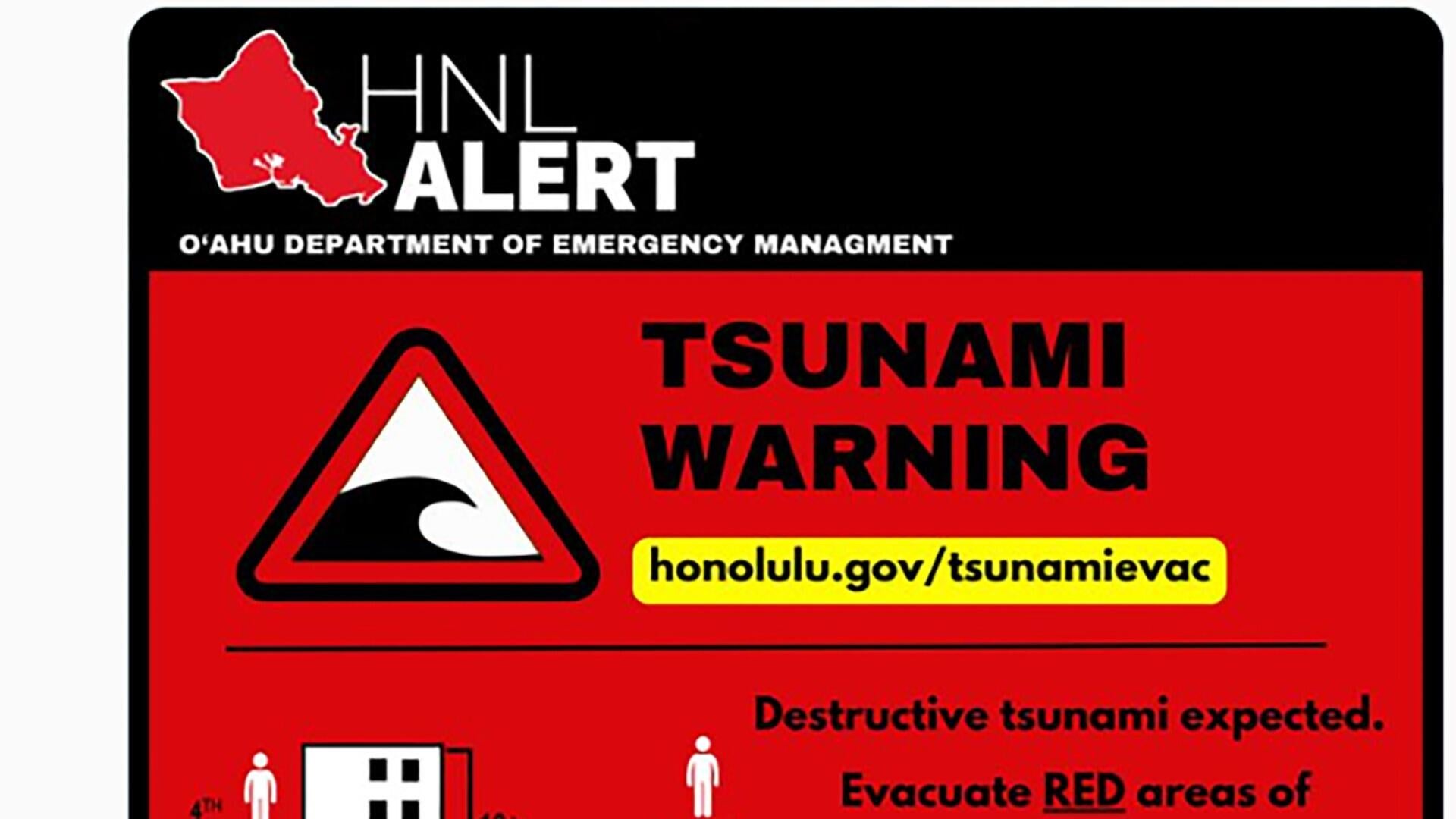
BREAKING: Tsunami warning issued for Hawaii after M8.7 earthquake off Russia
Tsunami watch issued for Hawaii after earthquake off Russia: What to knowWhat Happened in Russia to Trigger the Tsunami Watch?
A powerful underwater earthquake occurred off the coast of Russia, generating significant concern across the Pacific region. This seismic event registered at a magnitude strong enough to potentially produce tsunami waves that could affect coastal areas like Hawaii. Located at a tectonic boundary, Russia frequently undergoes seismic activity; thus, it isn't unusual for earthquakes to trigger tsunami warnings. Reports indicated that the earthquake struck in the Kamchatka region, which is known for its volatile geological features. The proximity to ocean waters means that waves could radiate outward swiftly, prompting authorities in Hawaii to carefully monitor the situation. The announcement of the tsunami watch issued for Hawaii after earthquake off Russia put residents & visitors on alert, with officials reminding everyone of the importance of preparedness in such scenarios. Although the initial reports raised worries, not every earthquake leads to actual tidal waves, raising the intrigue & urgency surrounding tsunami communications in coastal regions.
What is a Tsunami Watch?
A tsunami watch is a notification issued by geological & oceanic agencies to alert populations about the possibility of tidal waves following seismic activity. Such alerts are designed to inform individuals, businesses, & emergency services of the potential for tsunami formation, although it does not confirm that a wave will strike. During a tsunami watch issued for Hawaii after earthquake off Russia, local agencies encourage people to stay tuned for updates & prepare for possible evacuation if necessary. This system emphasizes awareness & readiness while scientists monitor seismic data for further developments. The NOAA (National Oceanic & Atmospheric Administration) plays a critical role in issuing tsunami watches in coordination with the Pacific Tsunami Warning Center. The terminology used can sometimes create confusion, so it’s important to know what each warning means:
| Alert Level | Meaning |
|---|---|
| Watch | Possibility of a tsunami, no immediate action required. |
| Warning | A tsunami is imminent or has been confirmed. |
| Advisory | Possibility of small & non-damaging waves. |
How Should Residents in Hawaii Prepare?
The issuance of a tsunami watch issued for Hawaii after earthquake off Russia necessitates swift & effective preparations. Residents should adopt a proactive approach to ensure their safety. The first step involves assessing personal & community preparedness plans. Here are several actionable items individuals should consider:
- Identify evacuation routes & alternative paths away from the coastline.
- Gather essential supplies such as water, food, a flashlight, & a battery-operated radio.
- Create a communication plan with family & friends to ensure everyone is accounted for.
- Regularly practice drills to ensure every family member understands what to do in case of an emergency.
The Science Behind Tsunamis
Tsunamis are large ocean waves caused by abrupt disturbances such as underwater earthquakes, volcanic eruptions, or landslides. The science behind these waves starts with the displacement of water. When an earthquake occurs on the ocean floor, the sudden movement shifts enormous volumes of water, producing waves that travel outward in all directions.
The speed & height of these waves can vary, with deeper waters allowing for rapid movement. Be that as it may, as these waves approach shallow coastal areas, they can rise dramatically in height, forming potentially destructive surges. The characteristics of tsunamis are primarily influenced by factors such as the magnitude of the earthquake, depth of water, & coastal geography.
Here are some key points summarizing the behavior & risks of tsunamis:
| Factor | Impact on Tsunami |
|---|---|
| Magnitude of Earthquake | A larger earthquake generally produces larger waves. |
| Distance from Epicenter | Closer proximity leads to shorter warning times. |
| Geographical Features | Bays & coastal contours can amplify the wave height. |
What Should You Do During a Tsunami Watch?
When a tsunami watch issued for Hawaii after earthquake off Russia is announced, it's essential for individuals to stay informed & act quickly. Authorities will provide updates & specific instructions, & the following steps are typically recommended:
- Stay tuned to local news broadcasts or official weather agencies for real-time updates.
- Be aware of the natural signs of a tsunami, such as a rapid retreat of the ocean or an unusual roar coming from the sea.
- If instructed to evacuate, do so immediately, moving to higher ground & away from the coast.
- Avoid going to the beach to watch the waves, as this can put you & your loved ones in significant danger.
Recent Tsunami Events & Their Impact
Analyzing recent historical tsunami events can provide insight into the potential risks faced during a tsunami watch issued for Hawaii after earthquake off Russia. Significant tsunamis have occurred throughout history, causing widespread destruction to coastal communities. For example, the tsunami generated by the 2004 Indian Ocean earthquake caused unprecedented devastation, highlighting the critical need for effective warning systems & preparation.
Closer to Hawaii, the 2011 Tōhoku earthquake in Japan triggered a tsunami that affected the U.S. West Coast & islands in the Pacific, including Hawaii. While Hawaii was fortunate to fare better than other areas, it served as a crucial reminder of the islands' vulnerability. The emergency management agencies ramped up their preparedness programs post-event, focusing more on community engagement & education regarding evacuations & safety measures.
Here are some significant historical tsunamis & their impacts:
| Date | Event |
|---|---|
| 2004-12-26 | Indian Ocean Tsunami |
| 2011-03-11 | Tōhoku Tsunami |
| 1964-03-28 | Alaska Earthquake & Tsunami |
The Role of Technology in Tsunami Monitoring
Technology plays a vital role in tsunami monitoring & early warning systems. In recent years, advancements in seismic detection & oceanographic research have significantly improved the accuracy & response time for tsunami watches. Sensors placed on the ocean floor, known as tsunami buoys, help detect changes in wave patterns & monitor sea level. This allows scientists to gauge the size & impact of a wave generated by an earthquake. And another thing, satellite technology enhances detection capabilities by providing real-time data, even in remote areas. The integration of cutting-edge technology means that alerts for a tsunami watch issued for Hawaii after earthquake off Russia can be disseminated quickly, increasing public safety & response efficiency. And don't forget, education & outreach using mobile apps & social media have raised awareness. The community can receive immediate alerts & follow safety protocols more effectively. Here are key technologies utilized in tsunami detection:
- Tsunami buoys measure wave height & movement.
- Seismic networks detect ground movements & seismic activity.
- Satellites provide real-time imagery for monitoring ocean conditions.
Community Preparedness & Educational Resources
Community engagement is critical in ensuring residents are prepared for events like a tsunami watch issued for Hawaii after earthquake off Russia. Local governments & organizations frequently conduct programs focused on education about tsunami risks & safety measures. Hosting community drills can simulate a tsunami scenario, helping people understand evacuation routes & emergency contacts. On top of that, numerous resources available can aid communities in better preparing for potential tsunami threats. Websites from credible organizations such as NOAA provide guides & toolkits tailored to educate the public. Local emergency management offices also host workshops outlining essential preparedness actions & what to do during a tsunami watch or warning.
- Educational websites offering free resources about tsunami safety.
- Programs & initiatives from the state of Hawaii focusing on emergency preparedness.
- Social media campaigns educating the public about recognizing tsunami alerts.
Personal Experience During a Tsunami Watch
Having lived in Hawaii for several years, I vividly recall the intense emotions & reactions during a previous tsunami watch issued for Hawaii after earthquake off Russia. The alert came through on my phone unexpectedly, prompting anxiety among friends & family. In those moments, a sense of urgency gripped our community. Everyone was glued to local news stations for updates, discussing what actions to take, & conferring with neighbors about evacuation routes. Witnessing the way our community rallied together to ensure everyone's safety was heartwarming amidst the fear. It transformed the moment from a panic-inducing alert into an opportunity for solidarity & preparedness. Not only did we sign up for emergency alerts directly on our phones but also prioritized discussing evacuation plans with loved ones. It emphasized how crucial it is to not just be informed but also to be prepared in advance for such potential emergencies.
Looking Ahead: Anticipating Future Tsunami Risks
The ongoing threat of tsunamis necessitates continuous improvement in monitoring systems & community education. As seismic activity remains consistent, understanding the implications of a tsunami watch issued for Hawaii after earthquake off Russia becomes vital for residents in coastal areas. Collaborations between local, state, & federal agencies can foster resources that ensure people receive the information they need. Ongoing research into earthquake prediction models could aid in predicting the likelihood of future events. At the same time, an emphasis on historical data analysis can lead to better preparedness at a community & institutional level. Engaging youth through educational programs can cultivate a culture of awareness & readiness for future generations. Staying informed about advancements in tsunami tracking technologies will facilitate a more proactive stance. Community partnerships that emphasize preparedness not only protect lives but also build resilient coastal communities ready to face whatever nature brings with it.

What is a tsunami watch?
A tsunami watch is an alert issued by authorities when there is the potential for a tsunami to occur, typically following significant seismic activity. It informs the public to stay vigilant & prepared for possible tsunami waves.Why was a tsunami watch issued for Hawaii?
A tsunami watch was issued for Hawaii following a strong earthquake that occurred off the coast of Russia. The seismic event raised concerns that it could generate tsunami waves that might affect coastal regions in Hawaii.How can I stay updated about tsunami warnings?
You can stay updated about tsunami warnings by following local news outlets, checking the National Oceanic & Atmospheric Administration (NOAA) website, & downloading emergency alert apps that provide real-time notifications.What should I do if a tsunami warning is issued?
If a tsunami warning is issued, move to higher ground immediately, avoid staying near the shorelines, & listen to instructions from local authorities regarding evacuation & safety measures.Are tsunamis common after earthquakes?
Tsunamis can occur after significant underwater earthquakes, especially those with a magnitude of 7.0 or higher. Not all earthquakes trigger tsunamis, but regions near tectonic plate boundaries are at higher risk.How do scientists predict tsunamis?
Scientists predict tsunamis by monitoring seismic activity using seismographs, pressure sensors in the ocean, & tsunami buoys that can detect changes in sea level & wave patterns.What are the signs of an approaching tsunami?
Signs of an approaching tsunami include a sudden & unusual retreat of the sea, strong earthquake shaking, or a loud roar coming from the ocean. If you notice any of these signs, evacuate immediately to higher ground.How often do tsunamis occur in Hawaii?
While tsunamis are relatively rare, Hawaii has experienced several significant tsunamis throughout its history. The frequency of tsunami events varies, but the state remains vigilant due to its geographical location in the Pacific.Can tsunamis be prevented?
Currently, tsunamis cannot be prevented, as they are natural phenomena caused by geological forces. Be that as it may, communities can mitigate their impact through effective warning systems, preparedness programs, & infrastructure planning.What should I include in my emergency kit for a tsunami?
An emergency kit for a tsunami should include essentials like water, non-perishable food, first-aid supplies, flashlights, batteries, important documents, & a portable radio for updates on emergency information.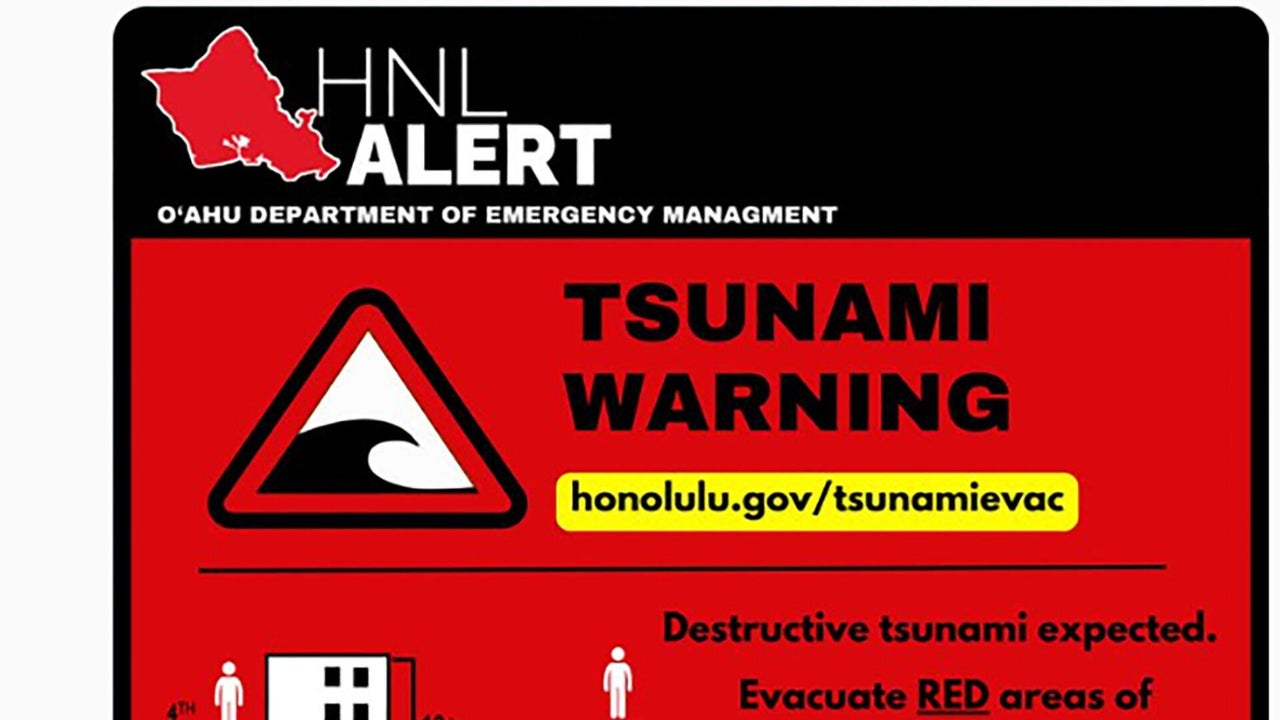

.png)

0 Comments